
US Dollar broadly consolidates as analysts cast doubts over long-term impact of US Treasury buyback
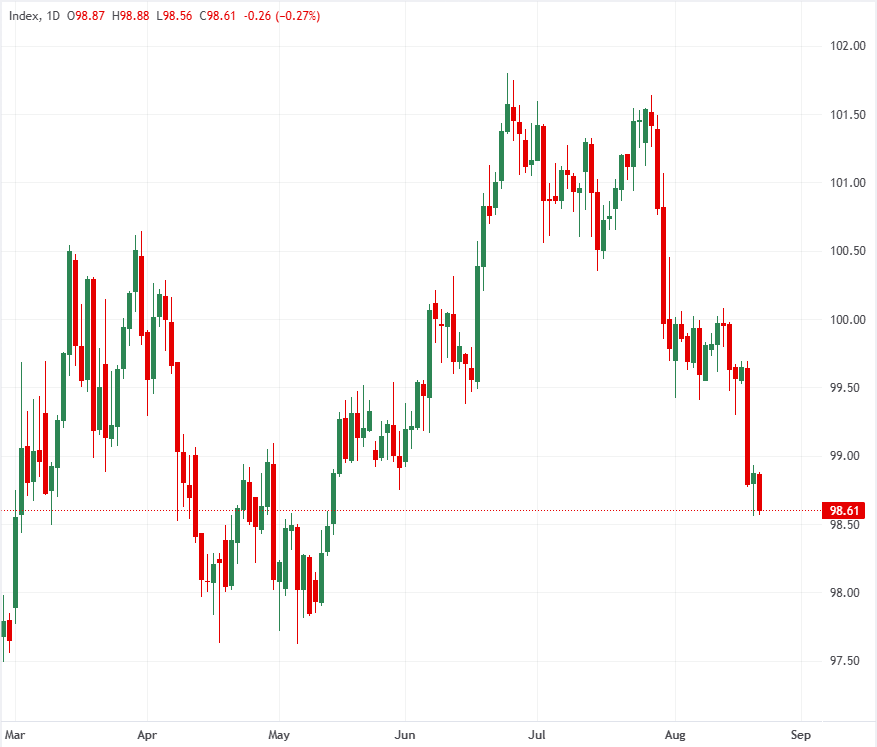
The US Dollar Index (DXY) is broadly consolidating near the 99.00 level as investors process the US Treasury's expanded long-end bond buyback and a modest rebound in Treasury yields. While the buybacks initially cooled long-term borrowing costs, institutional strategists are divided on whether the policy move represents a fundamental pivot toward a softer Greenback or merely a temporary fix that leaves the US Dollar susceptible to renewed upside if inflation expectations re-ignite.
Treasury buybacks favor pro-risk FX, not the Dollar
Analysts at ING argue that the Treasury's buyback adjustments should be viewed as a proactive effort to protect the long end of the yield curve rather than a loss of policy credibility. If long-term yields remain contained, this creates a pro-risk environment characterized by a gradual US Dollar depreciation. Under this setup, high-beta commodity and emerging market currencies stand to outperform, provided equity and bond markets avoid a broader sell-off.
We see this week's developments less as a policy credibility story and more as a soft dollar, pro-risk story if the US Treasury is taking a greater interest in protecting the long end (...) That probably means a gentler dollar decline and some outperformance of high-beta commodity currencies and emerging market currencies in general.
Buyback impact leaves USD vulnerable to inflation shocks
Analysts at DBS Group Research maintain a more cautious perspective, observing that DXY has firmed alongside a modest rebound in long-end yields. Because the US Congress ultimately controls the fiscal budget, administrative buybacks alone cannot alter the broader deficit path. Furthermore, external risks, such as impending US sanctions on Iran, could push energy prices higher and reignite inflation fears, ultimately boosting yields and Greenback demand.
Without any meaningful change to the US fiscal trajectory (given that the US budget is set by Congress and not the Treasury), tweaks around buybacks can only have a small, transient impact on markets
How long will the Treasury buyback effect last?
The banks project that DXY will remain tightly bounded around the 99.00 handle in the immediate term. ING anticipates that official concern over long-end yields will keep the US Dollar capped below 99.00 and foster a favorable backdrop for risk-sensitive currencies. On the other hand, DBS Group Research highlights that without structural fiscal reform, potential inflation shocks from Middle East geopolitical sanctions could easily reignite US yield momentum and push the Greenback higher.
(This article was created with the help of an Artificial Intelligence tool and reviewed by an editor. Know more.)